Commercial Roof Replacement
Roofs Built to Last Through Decades
Commercial Roof Replacement in Ham Lake for buildings with aging systems that leak or fail during severe weather
M.D. Heiderscheid Construction Inc replaces commercial roofing systems in Ham Lake when repeated repairs no longer hold, when warranties expire on failing materials, or when energy costs climb due to poor insulation performance. The work involves full tear-off of the existing roof down to the structural deck, inspection of substrate integrity, and installation of new roofing materials designed to handle Minnesota's freeze-thaw cycles and wind-driven rain. Property managers notice immediate changes in leak frequency, heating costs, and the visible condition of the building envelope.
Complete roof replacement addresses problems that surface-level repairs cannot fix—deteriorated substrate, compromised insulation layers, or membrane systems that have reached the end of their functional lifespan. The process includes evaluating structural capacity, upgrading drainage systems if needed, and selecting roofing materials that match the building's use, occupancy requirements, and long-term maintenance budget. Energy-efficient systems reduce heat transfer, which directly affects climate control costs and indoor comfort during extreme temperatures.
Schedule a building assessment to review current roof condition and replacement timelines.s.
Explore Our Roofing Services

Need a Roof Assessment Fast?
Book your inspection today and get a 48-hour bid turnaround on your roofing estimate.
What Proper Roof Replacement Requires
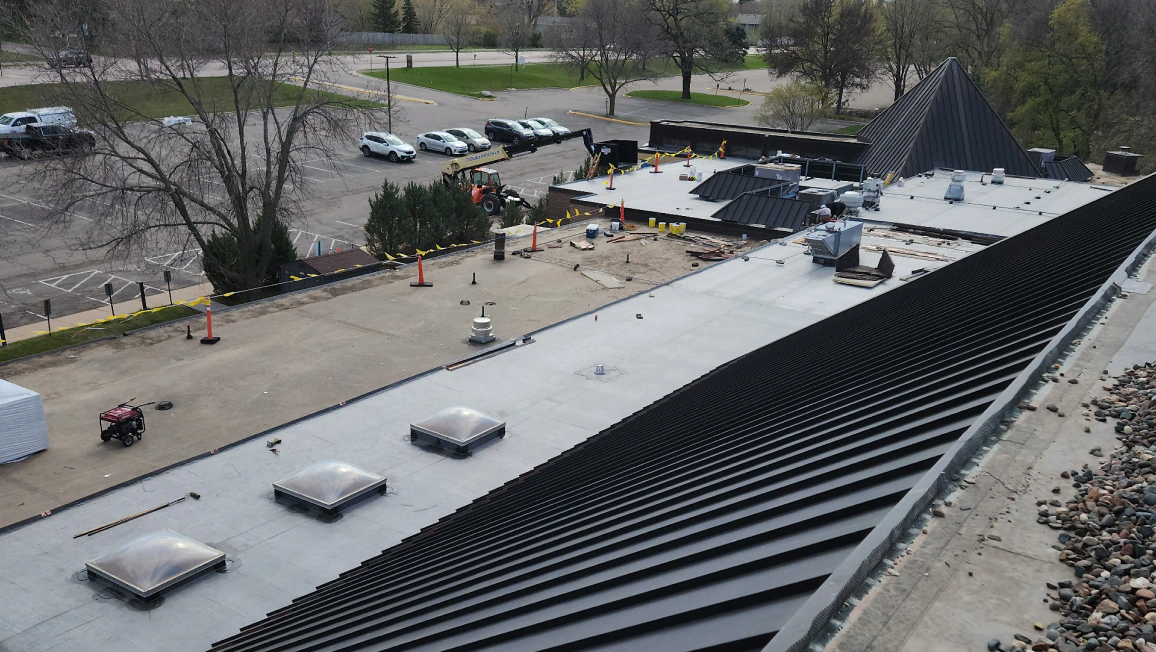
The replacement process begins with a detailed evaluation of the existing roof structure, including moisture scanning to identify hidden water damage within insulation layers or decking. Contractors remove old roofing materials in sections to minimize interior disruption, inspect and repair any damaged structural components, then install new insulation and membrane systems according to manufacturer specifications and local building codes. Proper tear-off also reveals problems like inadequate slope, blocked drainage paths, or missing ventilation that contribute to premature roof failure.
Once the new roofing system is installed, you notice that ceiling stains no longer appear after storms, HVAC systems cycle less frequently due to improved insulation performance, and ice dams no longer form along roof edges during winter freezes. The building envelope becomes a continuous barrier against moisture infiltration, which protects interior finishes, inventory, and equipment from water damage. Long-term warranty options provide coverage for both materials and workmanship, reducing unexpected repair costs over the roof's service life.
Replacement projects are scheduled to minimize business disruption, often completed in phases or during off-peak seasons when weather conditions allow for safe work and proper material installation. The choice between roofing systems—single-ply membranes, modified bitumen, or built-up roofing—depends on building use, traffic patterns on the roof surface, and budget constraints. Financing options allow property owners to spread costs over time while avoiding the compounding expense of ongoing emergency repairs.
Questions Before Starting Your Project
Commercial roof replacement involves significant planning and coordination, and property managers often ask about the process before committing to a full-scale project.
How long does a commercial roof replacement take?
The timeline depends on building size, roofing system complexity, and weather conditions, but most projects are completed in phases over one to three weeks to allow business operations to continue with minimal interruption.
What roofing materials work best in Ham Lake's climate?
Single-ply membranes like TPO and PVC handle freeze-thaw cycles well, while modified bitumen systems offer durability in high-traffic areas where maintenance personnel or equipment regularly access the roof surface.
When should a roof be replaced instead of repaired?
Replacement becomes necessary when more than 25 percent of the roof surface shows active leaks, when the substrate has sustained moisture damage, or when the existing system has exceeded its expected service life and repairs are no longer cost-effective.
What factors affect replacement costs?
Material choice, insulation upgrades, structural repairs, and the complexity of penetrations like HVAC units or skylights all influence total project costs, as does the need for specialized equipment to access multi-story buildings.
Do new roofs come with warranties?
Most commercial roofing systems include manufacturer warranties covering material defects for 10 to 30 years, with optional extended coverage for workmanship and weather-related damage when installed by certified contractors.
M.D. Heidersheid Construction Inc works with property owners to develop budget plans that align with capital improvement schedules and long-term facility management goals. Arrange an on-site roof evaluation to review system options and replacement timelines specific to your building.