Commercial Metal Roofing
Metal Roofs Designed for Structural Loads
Commercial Metal Roofing in Ham Lake for warehouses and industrial buildings requiring long-lifespan systems
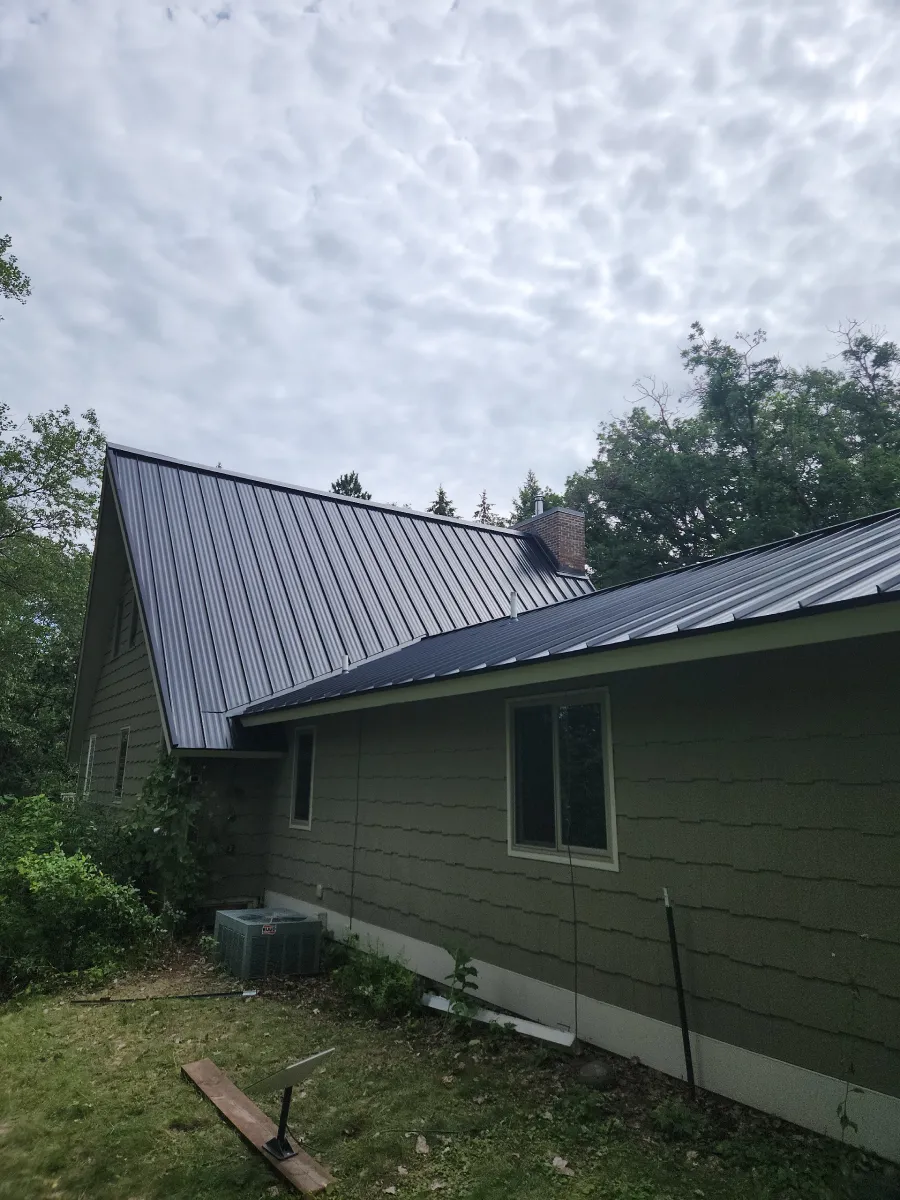
Standing seam and corrugated metal roofing systems provide durability for buildings where roof replacement cycles disrupt operations or where budget constraints require materials that perform for decades without major intervention. Metal roofing handles snow loads common in Ham Lake, sheds ice and debris more effectively than membrane systems, and resists the wind uplift forces that tear less-secured roofing materials during severe storms. M.D. Heiderscheid Construction Inc installs metal roofing on warehouses, industrial facilities, offices, and retail properties where long service life and minimal maintenance justify the higher initial investment compared to single-ply membranes.
The installation process involves fastening metal panels to structural purlins or over insulated substrates, with panel seams either mechanically seamed or overlapped and fastened depending on the system type. Standing seam metal roofs use concealed fasteners that eliminate penetrations through the waterproof layer, reducing leak points and allowing the metal to expand and contract with temperature changes without stressing fastener locations. Energy efficiency benefits come from reflective coatings that reduce solar heat gain, lowering cooling costs during summer months when metal surfaces would otherwise absorb and transfer heat into the building interior.
Arrange a site consultation to evaluate structural requirements for metal roofing installation.
Explore Our Roofing Services

Need a Roof Assessment Fast?
Book your inspection today and get a 48-hour bid turnaround on your roofing estimate.
What Metal Roofing Actually Accomplishes
Metal roofing systems address the limitations of organic roofing materials that degrade under UV exposure, moisture infiltration, and biological growth. Steel and aluminum panels do not rot, support mold growth, or deteriorate from water contact, which makes them suitable for environments where roof leaks would damage sensitive equipment, inventory, or production processes. Rust and corrosion protection comes from galvanized coatings or factory-applied paint systems that seal the metal surface and prevent oxidation even in humid or chemically aggressive environments.
Once installed, metal roofs produce a distinct sound during heavy rain or hail, which some building occupants notice but which does not indicate structural problems or material failure. The roof surface remains intact without the cracking, blistering, or seam separation common in membrane systems, and snow slides off more readily due to the smooth, low-friction surface. Buildings with metal roofing experience fewer emergency repairs, lower maintenance costs over the roof's lifespan, and better resale value due to the perceived durability and longevity of metal systems.
Metal roof restoration extends the life of existing metal roofs by addressing rust spots, re-sealing fasteners, and applying reflective coatings that restore weatherproofing and energy performance. Restoration costs significantly less than full replacement and can add 10 to 15 years of service life when the underlying metal panels remain structurally sound. Corrugated metal roofing, while less expensive than standing seam systems, requires exposed fasteners that must be inspected and maintained to prevent water intrusion at penetration points.
What Property Owners Usually Ask
Metal roofing involves different considerations than membrane systems, and commercial property owners evaluate these factors when selecting roofing materials.
How long do metal roofs last?
Properly installed and maintained metal roofing systems perform for 40 to 60 years, far exceeding the service life of TPO, EPDM, or built-up roofing systems, which makes them cost-effective over the building's operational lifespan.
What maintenance does metal roofing require?
Maintenance involves inspecting fasteners and seams annually, clearing debris that traps moisture, touching up coating damage, and addressing any rust spots before corrosion spreads through the metal panel.
Does metal roofing work in Ham Lake's climate?
Metal roofs handle freeze-thaw cycles, heavy snow loads, and ice dams more effectively than membrane systems because the smooth surface sheds snow and the material does not crack or become brittle in cold temperatures.
Why choose standing seam over corrugated metal?
Standing seam systems eliminate exposed fasteners, which reduces leak potential and allows thermal expansion without stressing panel connections, while corrugated metal costs less but requires fastener maintenance throughout the roof's life.
Can metal roofing reduce energy costs?
Reflective coatings and air spaces between metal panels and insulation reduce heat transfer into the building, lowering cooling costs during summer and improving overall thermal performance compared to dark-colored membrane systems that absorb solar radiation.
M.D. Heidersheid Construction Inc evaluates structural capacity, insulation requirements, and budget parameters to recommend metal roofing systems suited to your building's operational needs. Call (763) 862-0616 to discuss metal roofing options and project timelines.